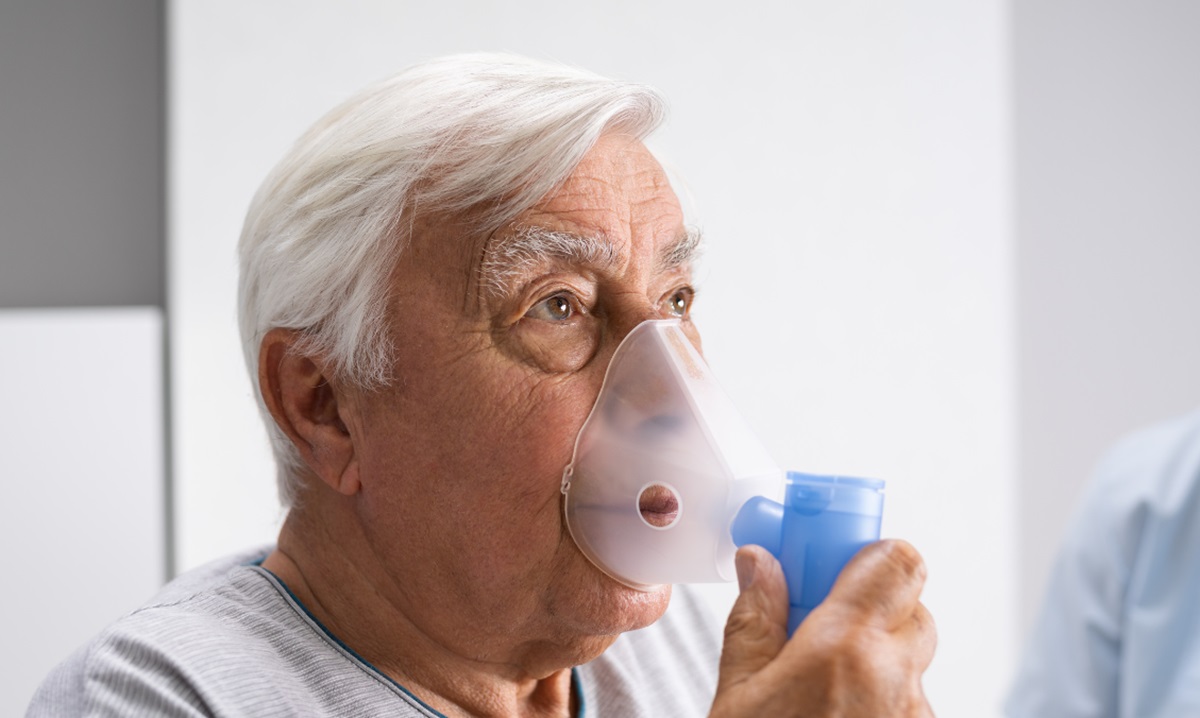
A chronic cough attributed to pollution, shortness of breath on stairs brushed off as poor fitness, and slowing down with age treated as a given are common everyday excuses that can conceal chronic obstructive pulmonary disease (COPD), even in individuals who have never touched tobacco. Although chronic obstructive pulmonary disease (COPD) is most often connected to smoking, cigarettes are not the only trigger, because many non-smokers develop it after long-term contact with air pollution, domestic smoke, workplace dust, and other breathing irritants, turning COPD into a pressing public health concern in crowded urban centers where pollutants are encountered daily. COPD is a long-standing lung disorder that restricts airflow and gradually makes breathing more difficult, presenting as chronic bronchitis with a persistent mucus-producing cough, emphysema involving damage to the lungs’ tiny air sacs, or both conditions together. A lesser-known driver of COPD is the cumulative impact of prolonged exposure to substances that irritate the airways, as ongoing contact with particulate matter—particularly fine airborne particles in polluted environments—can steadily cause airway swelling and tissue damage, while steady exposure to traffic fumes, building dust, and home pollutants compounds respiratory stress over many years even when pollution fluctuates. Additional key factors include household air pollution when cooking with solid fuels like wood and coal in spaces with poor ventilation, workplace exposure to dust, chemical vapors, and factory pollutants common in construction, mining, manufacturing, and farming, early-life lung infections and disrupted childhood lung development that affect later respiratory health, and inherited traits such as alpha-1 antitrypsin deficiency that heighten COPD risk. Since COPD creeps up gradually, individuals frequently adapt to dropping lung capacity without spotting the root cause, often writing off breathlessness on stairs, a long-lasting cough, wheezing, or fading stamina as normal aging, weight gain, or inactivity, and quietly scaling back physical effort to dodge breathlessness, which further weakens muscles and reduces stamina. It is also tricky to spot because COPD symptoms can mirror asthma and other illnesses, with asthma usually producing shifting symptoms and variable airflow limits compared to the persistent airflow blockage of COPD, and some people dealing with both, so a medical exam and breathing tests help pinpoint the exact issue. Spirometry is an easy, non-invasive breathing test that tracks how much air a person exhales and the speed of that exhalation, and physicians verify COPD with spirometry after giving a bronchodilator inhaler to open airways while reviewing symptoms and past exposures. People dealing with a persistent cough, wheezing, or breathlessness during routine activities they once handled easily should ask a doctor whether spirometry is right for them, since early detection allows timely management, easier everyday breathing, and fewer sudden flare-ups using treatments like inhaled bronchodilators that ease airway muscles to improve airflow and pulmonary rehabilitation that combines structured exercise with education and support.
Beyond Smoking: Why Millions May Overlook COPD Symptoms and Miss Diagnosis