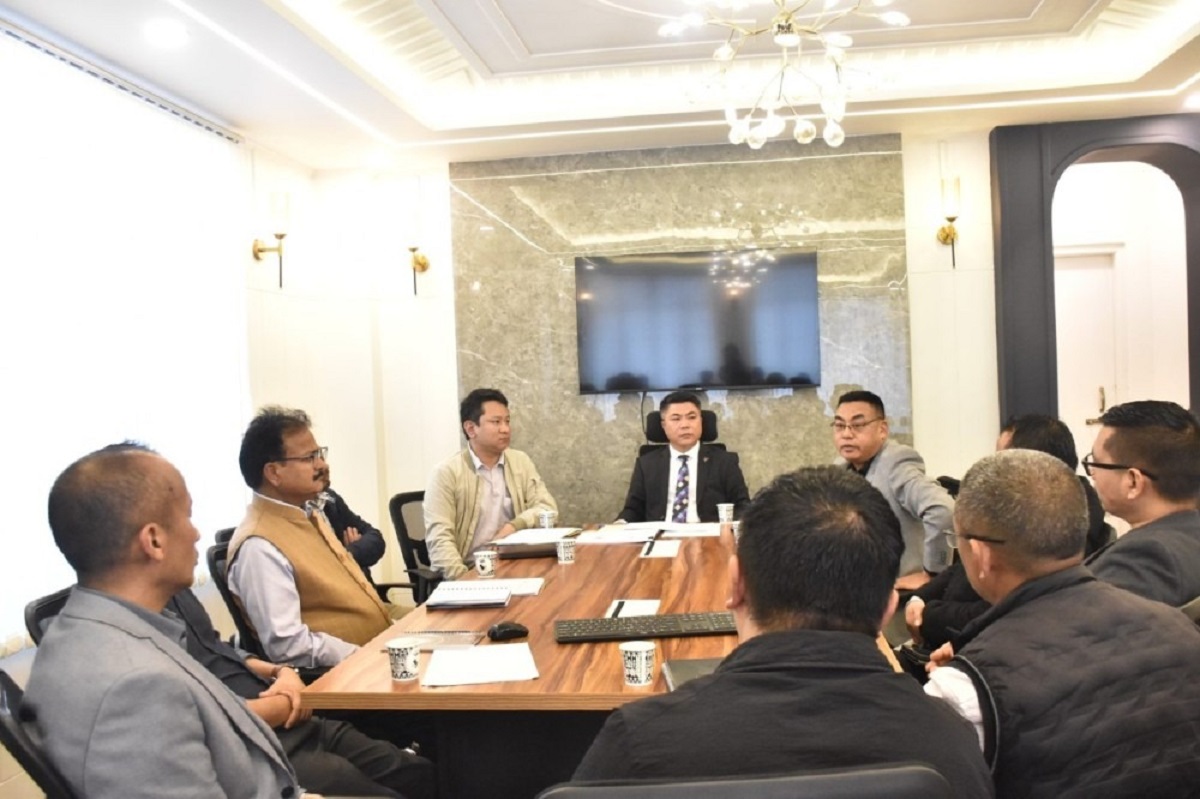
With the thunderstorm season approaching, the Kohima quarter administration held a preparedness review meeting on May 6 at the Deputy Commissioner’s chamber to assess structure readiness and exigency response mechanisms across the quarter.
The meeting was chaired by Deputy Commissioner B. Henok Buchem and attended by elderly supervisor of Police Kohima Krodi Rhetso, along with officers from crucial departments including the Public Works Department (PWD), National Highways and Infrastructure Development Corporation Limited (NHIDCL), District Disaster Management Authority (DDMA), Health & Family Welfare, Food and Civil Supplies, Police, and Quarter Administration officers, according to the District Public Relations Office (DPRO), Kohima.
Conversations primarily concentrated on road conservation and construction workshops in vulnerable stretches, particularly Kezanu and Liezocha, which have been linked as landslide-prone zones constantly affected during heavy rains. Officers also reviewed indispensable routes to maintain connectivity in the event of trace blockages.
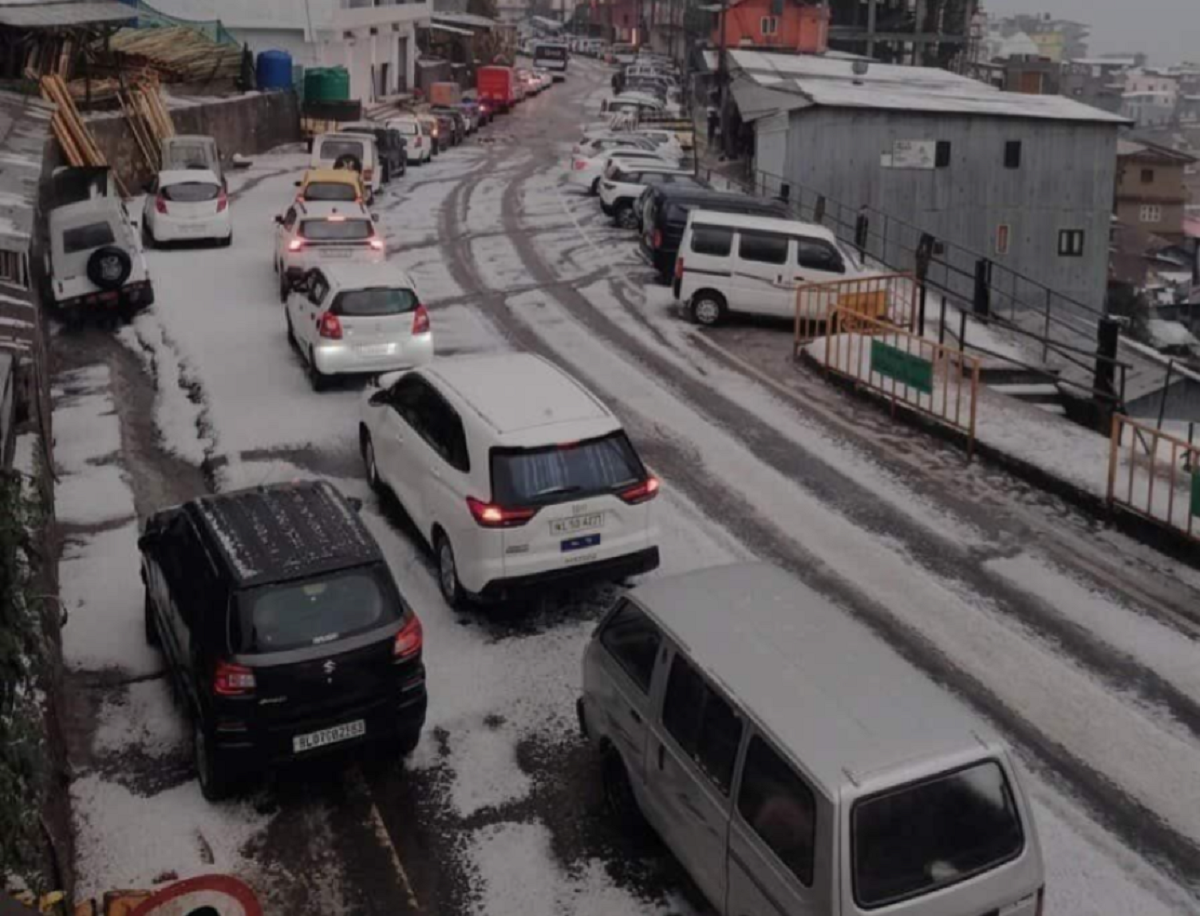
Pressing Kohima’s recreating exposure to seasonal hazards, the Deputy Commissioner noted that the quarter faces different challenges across seasons, including fire incidents in downtime and landslides, road blockages, and structure damage during the thunderstorm period. He prompted departments to borrow a cooperative and non-blame approach while perfecting preparedness grounded on one’s actions.
Enterprises were raised regarding deteriorating road conditions, including potholes, sinking zones, steep slants, and frequent vehicle breakdowns, especially along the Liezocha–Kezanu stretch. Police officers pointed out that stranded heavy vehicles frequently lead to business traffic and pose safety pitfalls.
The meeting directed that critical road stretches be repaired within a week, with instructions for nonstop conservation through gravestone stuffing and metalling. Authorities also called for the deployment of excavators and towing vehicles on a round-the-clock basis and the appointment of nodal officers to ameliorate interdepartmental collaboration.
Business operation was another crucial issue bandied, with reports of heavy vehicles entering confined areas outside permitted hours and unauthorized parking near entry points. Officers considered stricter enforcement measures, modification of no-entry timings, and relocation of holding zones closer to the Jotsoma bypass to reduce traffic in the city.
The review also covered landslide-prone sections along the National Highway, with emphasis on pre-positioning the ministry, clearing debris in advance, and strengthening vulnerable pitches to minimize dislocation during heavy downpour.
Civic drainage and sanitation challenges were also stressed, particularly blocked drainage systems caused by waste jilting and channel obstructions. The meeting directed immediate concurrence of rainspouts, including those near the War Cemetery area, to help with waterlogging.
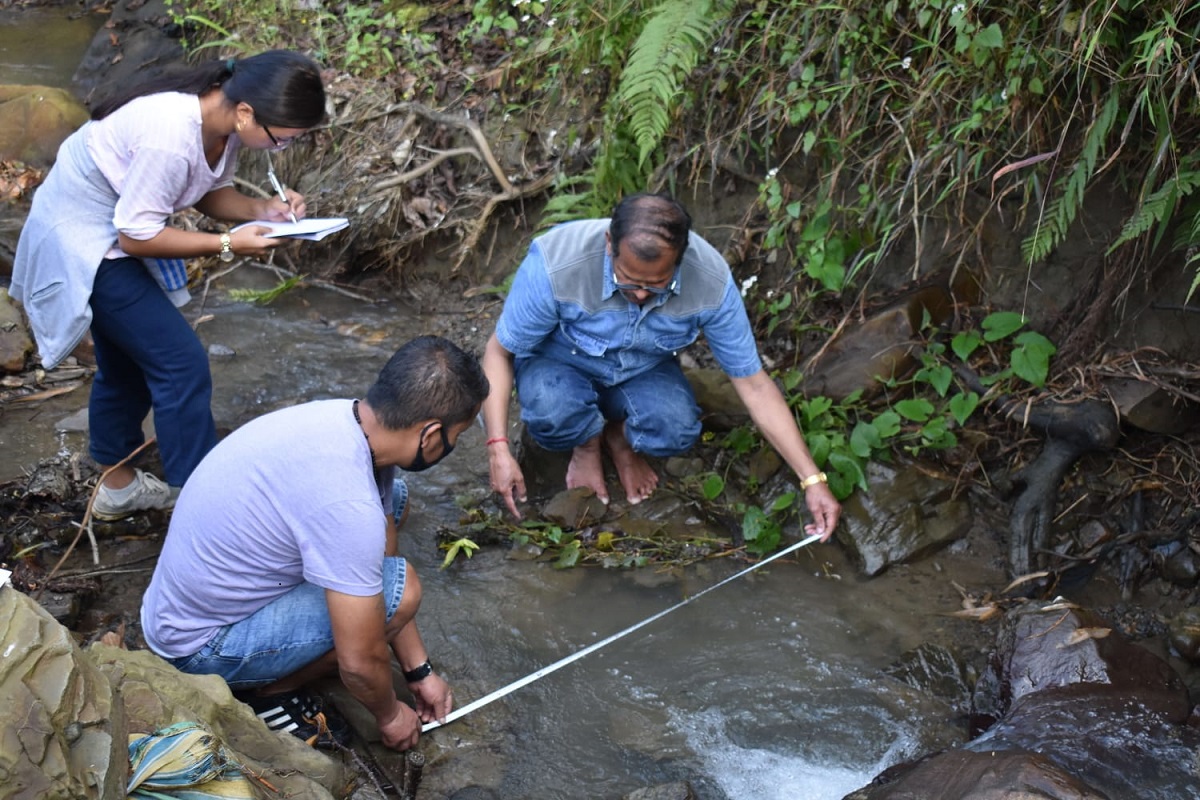
On disaster preparedness, officers from the District Disaster Management Authority stated that the Incident Response System (IRS) is formally in place, supported by quick response brigades and trained community levies. Automatic weather stations installed at multiple locales are functional, with real-time collaboration maintained through control apartments and the State Emergency Operations Center.
Departments were also advised to maintain buffer stocks of essential goods, including food and drugs, and to coordinate with agencies similar to the Food Corporation of India (FCI) to ensure continued force chains during extremities.
The meeting concluded with a renewed emphasis on inter-agency collaboration to strengthen Kohima’s preparedness ahead of the thunderstorm season.