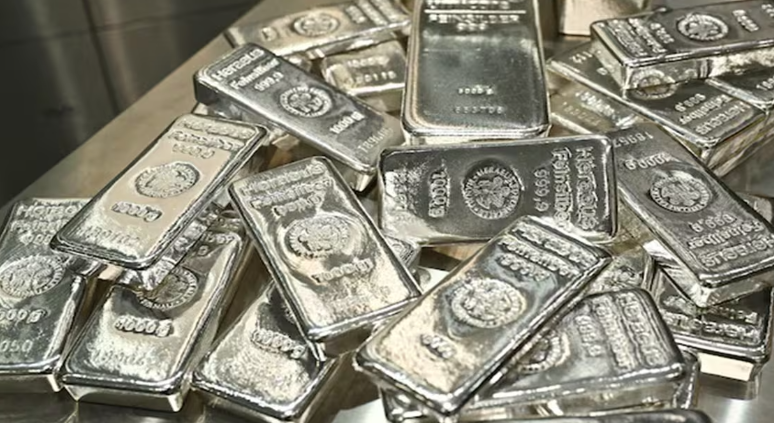
The Directorate General of Foreign Trade (DGFT) has placed the import of silver bars with 99.9% purity and semi-manufactured silver products into the “restricted” category. This policy shift means that inbound shipments can no longer move freely and will instead require explicit government licensing or authorization. Coming immediately after a sharp hike in the basic customs duty on precious metals from 6% to 15%, these twin policy measures represent a coordinated effort by the central government to preserve foreign exchange, arrest a widening trade deficit, and support the weakening Indian rupee.
Because India relies on foreign shipments for more than 80% of its silver requirements, market experts predict that these regulatory barriers will create immediate local supply disruptions. Consequently, domestic physical silver—which had recently been trading at a discount—is expected to trade at a noticeable scarcity premium relative to international spot benchmarks. To navigate the tighter supply pipeline, inbound trade flows will now be strictly channelled through nominated agencies, such as RBI-authorized banks and specific bullion exchange entities. While analysts note that India is a major consumer rather than a global price-setter, the domestic market will inevitably face elevated costs. Retail buyers of coins and jewelry, as well as institutional fund managers overseeing silver exchange-traded funds (ETFs), are projected to bear the brunt of higher procurement premiums until domestic refining pipelines and licensed supply chains stabilize.