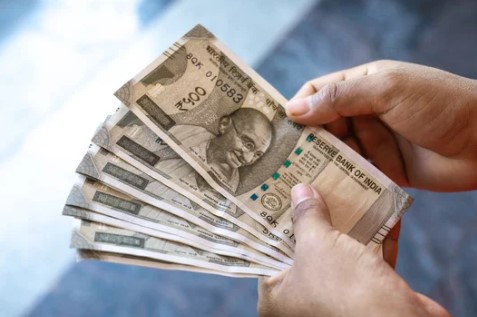
The Indian rupee slipped in early trade as losses in local equity markets outweighed the support coming from broadly stronger Asian currencies. The domestic unit came under pressure amid sustained foreign investor outflows from Indian equities, reflecting cautious sentiment toward emerging markets and concerns over global interest rate trajectories. While several Asian currencies gained against the U.S. dollar due to softer dollar demand and shifting expectations around U.S. monetary policy, the rupee failed to fully benefit as weakness in domestic stocks reduced risk appetite among investors. Traders also pointed to month-end dollar demand from importers, particularly oil companies, which added to pressure on the currency. Market participants are closely watching upcoming U.S. economic data and Federal Reserve commentary for signals on the future path of interest rates, which continue to play a key role in global currency movements. On the domestic front, volatility in equity benchmarks further weighed on sentiment, as investors booked profits after recent gains in select sectors. Analysts say the rupee’s near-term direction will likely depend on a combination of global risk trends, foreign fund flows, and crude oil price movements, given India’s reliance on energy imports. Despite the day’s weakness, the rupee remains relatively stable in a broader range, supported by foreign exchange reserves and periodic intervention by the central bank to curb excessive volatility. However, sustained pressure in equities or a stronger dollar could keep the currency under mild depreciation pressure in the near term.
Rupee Edges Lower as Weak Domestic Equities Offset Support from Stronger Asian Currencies