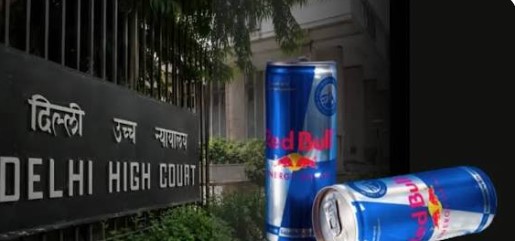
The Delhi High Court has quashed an order by the Food Safety and Standards Authority of India (FSSAI) preventing Red Bull from describing its products as “energy drinks”, ruling that the regulator had acted without giving the company an opportunity to present its views. The decision provides relief to Red Bull’s India business and could also ease concerns among other major players, including Pepsi, Monster Beverage and Reliance, which had privately criticised the regulatory move. The companies had expressed concerns that removing the “energy drink” description could affect their brands, although they did not challenge the order in court. FSSAI had directed manufacturers of high-caffeine beverages marketed as energy drinks to stop using the description in June, after rejecting attempts to delay implementation. The Delhi High Court considered Red Bull’s challenge and set aside the regulator’s order, agreeing with the company that the decision had been taken without affording it an opportunity to provide its views. A government official familiar with the matter said FSSAI plans to appeal the court’s decision on public health grounds. The regulator had not responded to requests for comment. Red Bull India had argued that the prohibition created substantial regulatory uncertainty and could adversely affect its commercial investments. The company also contended that the description had been prohibited without any corresponding change to the underlying product standard. Red Bull said the restriction was inconsistent with India’s objectives of facilitating international trade, encouraging investment and providing greater certainty to businesses. The dispute comes as energy drinks face scrutiny in several markets over their caffeine and sugar content, as well as ingredients such as taurine. Health authorities have raised concerns about potential links between excessive consumption and health issues, including high blood pressure and heart problems. England, for instance, is set to prohibit the sale of energy drinks to people under 16 from April next year. India’s energy drink market has expanded rapidly, with Pepsi’s Sting becoming a prominent product after its launch in 2017. Consumer research firm Euromonitor has reported that Sting’s low-priced plastic bottles have been particularly popular among younger consumers and in rural markets. The Indian market is expected to reach $1.6 billion by 2028, increasing the significance of regulatory decisions concerning product classification and labelling. The High Court’s ruling does not remove the debate over health concerns associated with energy drinks, but it puts the labelling dispute between Red Bull and the food regulator on a legal footing. The planned appeal means the issue could continue to be contested, leaving manufacturers and investors watching closely for regulatory and judicial developments. For now, the court’s decision allows Red Bull to continue using the “energy drink” description, subject to further proceedings and applicable food-safety requirements.
Red Bull Can Continue Using ‘Energy Drink’ Label After Delhi HC Ruling