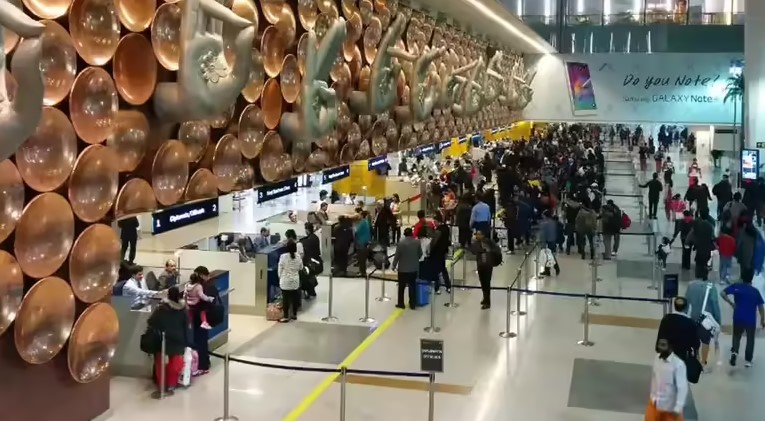
In response to the rapidly escalating geopolitical instability in West Asia, Delhi International Airport Limited (DIAL) has issued a critical advisory urging all international passengers, particularly those on westbound routes, to verify their flight status with respective airlines before heading to the terminal. The alert comes as several global carriers reroute flights or adjust schedules to avoid volatile airspace following intensified strikes in the region, including reports of significant military escalations between Israel, the US, and Iran. While most domestic and eastbound operations remain unaffected, the shifting dynamics of the Middle East conflict have led to localized delays and the necessity for alternative flight paths, prompting airport authorities to prioritize passenger communication to prevent overcrowding and confusion at the departure gates. Travelers are encouraged to use official airline apps and the airport’s website for real-time updates, as the situation remains highly fluid and subject to sudden changes based on international security assessments.
Beyond logistical shifts, the crisis is also beginning to impact travel costs, with major carriers like Air India announcing phased fuel surcharges due to the sharp spike in global jet fuel prices linked to supply disruptions in the Gulf. This economic ripple effect, combined with the closure of certain air corridors, has placed substantial strain on airline operations, leading to broader schedule recalibrations across the industry. To assist those caught in transit or facing long delays, Delhi Airport has highlighted available amenities such as the “Hoi” travel app and short-stay options at Aerocity, while also providing dedicated channels for immigration assistance. As the international community monitors the retaliatory “Operation True Promise” waves and their impact on global aviation, DIAL remains in constant coordination with the Ministry of Civil Aviation and the DGCA to ensure that safety protocols are strictly followed, urging passengers to remain patient and well-informed during this period of regional distress.