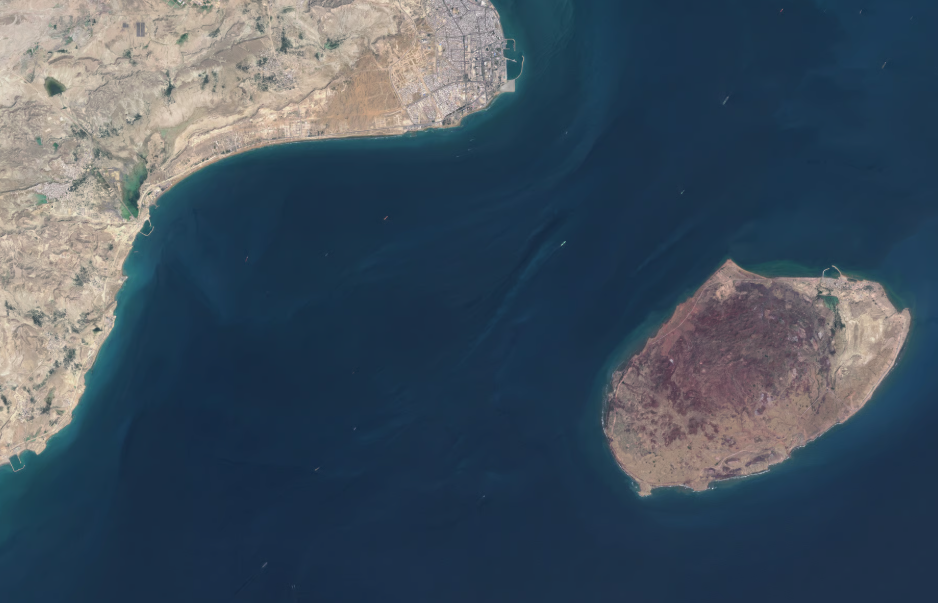
The global energy sector is locked in a state of high-stakes volatility as Brent crude and WTI futures swing below the $100 threshold, driven by a chaotic mix of diplomatic breakthroughs and military escalations. Following reports that Tehran is reviewing a formal U.S. proposal to end the “Epic Fury” conflict and reopen the Strait of Hormuz, Brent tumbled to $97.86 on Thursday, marking a sharp retreat from last week’s highs. However, these gains in market stability were quickly checked by news of the U.S. military disabling an Iranian-flagged tanker and President Donald Trump issuing a fresh ultimatum: accept the current framework within 48 hours or face a “new wave of bombing” at unprecedented intensity.
Investors are currently navigating a “50/50” scenario, where the potential for a 60-day trust-building ceasefire competes with the threat of expanded naval blockades. While Wall Street indices like the S&P 500 have edged higher on the hope that a deal could finally ease global inflationary pressures, the physical oil market remains on edge. The proposed agreement reportedly includes the removal of U.S. sanctions and a framework for nuclear monitoring, yet sticking points—such as the mandatory export of Iran’s enriched uranium—continue to stall a final signature. With roughly 20% of the world’s oil supply held hostage by the Hormuz bottleneck, analysts warn that while a deal could push prices toward pre-war levels near $80, any breakdown in talks before the President’s upcoming trip to China could trigger an immediate and violent spike back toward $125.