Amid ongoing global uncertainties impacting energy supply chains, the Government of India has initiated measures to accelerate city gas infrastructure and ensure stable fuel availability across sectors.
In a key directive, the Petroleum and Explosives Safety Organization (PESO) has asked its regional offices to process City Gas Distribution (CGD) applications within 10 days. The move is aimed at speeding up the rollout of piped natural gas (PNG), considered a cleaner and more efficient alternative to traditional fuels.
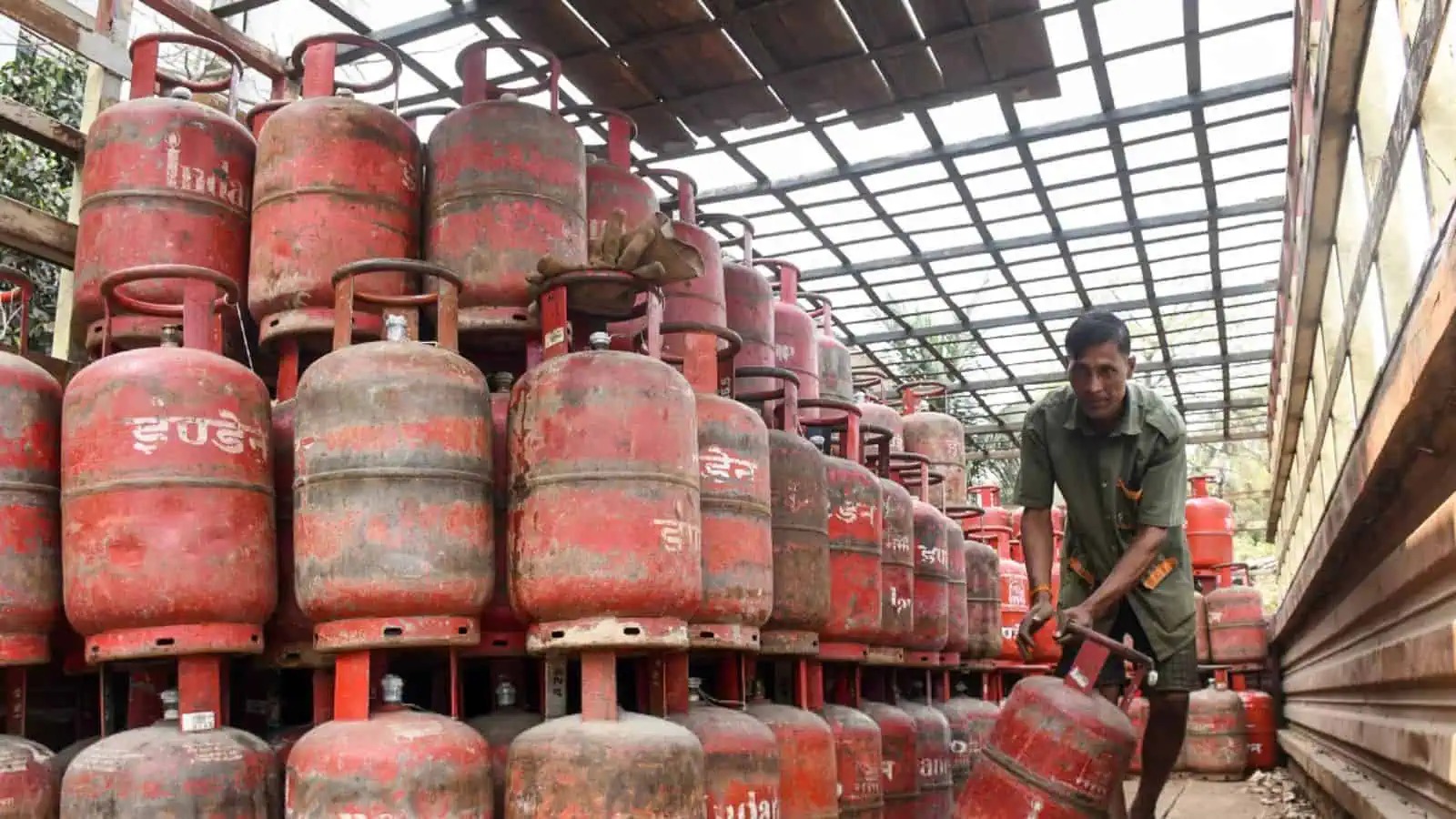
Organization As part of a broader strategy, commercial LPG users in urban areas—including restaurants, hotels, and food processing units—are being encouraged to transition to PNG. This shift is expected to ease pressure on liquefied petroleum gas (LPG) supplies and enhance long-term energy sustainability.
Officials confirmed that domestic LPG supply remains stable, with no major disruptions reported. Delivery systems have normalized, with most cylinders being distributed through authentication-based mechanisms, reducing instances of panic booking.
To support key economic sectors, the government has also increased commercial LPG allocations in phases. Following an earlier restoration of 20 percent supply, additional increments have raised total allocation levels to around 50 percent. Priority sectors include eateries, industrial kitchens, dairy units, and government-supported food programs, along with special provisions for migrant workers through smaller cylinder options.
Educational institutions and healthcare facilities continue to receive top priority, accounting for a significant share of the allocated LPG. So far, several states and union territories have adopted the revised guidelines, while public sector oil marketing companies are managing supply in other regions.
The push for faster CGD clearances and increased LPG allocation reflects a dual approach—ensuring immediate supply stability while promoting a gradual shift toward cleaner energy sources. Authorities believe that expanding PNG infrastructure will not only reduce dependency on LPG but also support India’s long-term energy transition goals.
Despite global geopolitical pressures, officials maintain that the domestic energy situation remains under control, with proactive steps being taken to meet demand and strengthen distribution networks across the country.
Energy Strategy in Focus as Global Uncertainty Persists