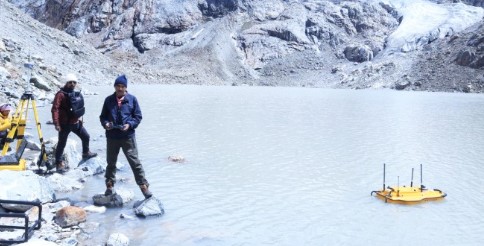
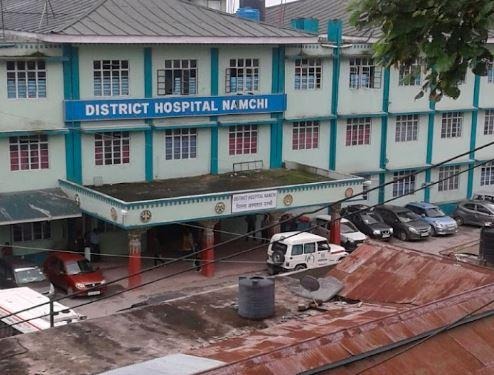
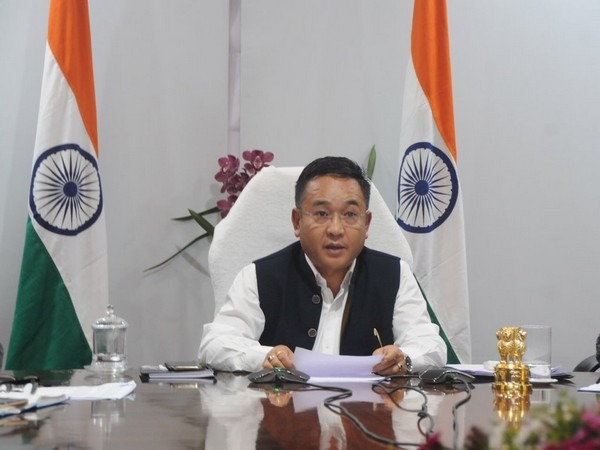
Sikkim has identified 40 high-hazard glacial lakes, including 16 classified as being at the highest risk of catastrophic Glacial Lake Outburst Floods (GLOFs), raising concerns over downstream communities in the Himalayan state. The assessment comes amid growing concern over the impact of retreating glaciers, which are causing new glacial lakes to form and existing ones to expand. Sikkim itself experienced a devastating GLOF in October 2023 that killed at least 60 people, damaged several districts and destroyed the Chungthang dam, highlighting the urgent need for stronger preparedness. According to Principal Secretary Sandeep Tambe, the state is using remote sensing and satellite imagery to monitor changes in glacial lakes. Of the 40 high-hazard lakes, 16 are in the highest-risk Category A, two in Category B, nine in Category C, while 13 remain unclassified. The government is developing a dedicated GLOF Risk Mitigation Protocol that could become a model for other Himalayan regions, with scientific studies covering water levels, discharge, geophysical surveys, bathymetry, flood modelling and possible measures to lower lake levels. Separate mitigation plans have been prepared for vulnerable areas including the Lhonak Complex, Shako Chho Lake and the Gurudongmar Complex. Shako Chho has been identified as Sikkim’s most vulnerable lake, while proposals include a flood-retention structure near Muguthang and a moraine plug wall at the Gurudongmar lake outlet. Authorities are also examining techniques such as siphoning, pumping, artificial channels, moraine cutting and tunnelling to reduce risks. Following the 2023 disaster, Sikkim is adopting a whole-of-government approach, seeking to strengthen technical and financial capacity and install additional early-warning sensors across the state. Officials stressed that each glacial lake requires a site-specific strategy and that stronger scientific monitoring, institutional coordination and public awareness will be crucial to protecting vulnerable Himalayan communities from future glacial flood disasters.
Sikkim Strengthens Measures to Tackle Growing Glacial Flood Risks