A 39-hour endurance trek across the Naga Hills ended in Kohima on April 3, commemorating the 82nd anniversary of the historic Battle of Kohima. This trek retraced the arduous path taken by Naga soldiers and Allied forces during the 1944 warfare, marking it as the first of its kind in Northeast India, and symbolizing the extreme conditions faced by troops.
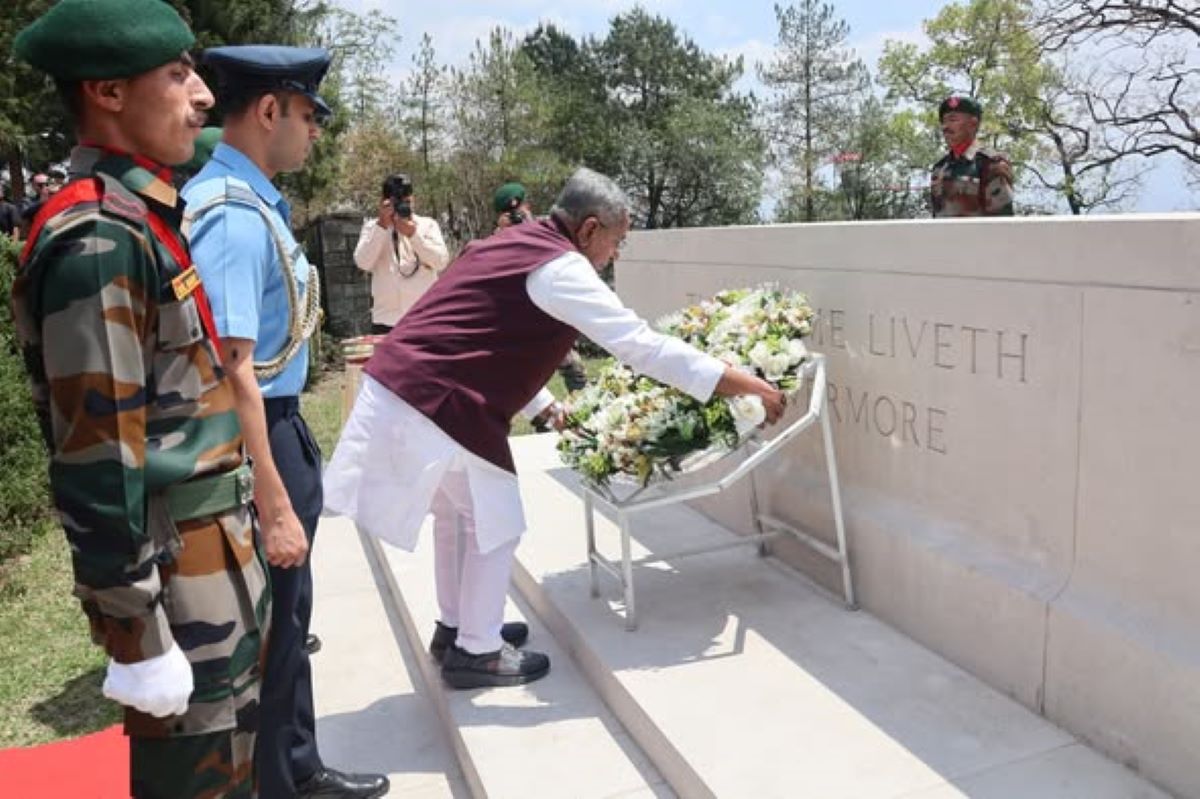
The trek concluded at the Kohima War Cemetery, a significant battleground, where participants received a ceremonial welcome. A commemorative program included a wreath-laying ceremony on April 5, which marked the official start of the battle. Dignitaries, historians, local leaders, and residents gathered to honor those who fought in this pivotal engagement of the Burma Campaign in World War II.
Charlotte Carty, a trustee of the Kohima Educational Trust, emphasized the battle’s importance but noted its limited awareness, particularly in the UK. She underscored the critical support of the Naga people to Allied forces, recognizing their influence on the battle’s outcome and calling for remembrance of all participants, including Japanese soldiers.
Carty provided context about the battle, mentioning the rapid advance of Japanese forces through the Naga Hills and the initial uncertainty regarding defensive strategies. On April 4, 1944, a small force of 1,500 Allied troops faced approximately 15,000 members of the Japanese 31st Division but managed to hold their ground for over two weeks until reinforcements arrived.
As the cemetery was established on a site of intense combat, Japanese forces occupied the area from April 10 to May 13, when Allied troops, supported by the Dorset Regiment and Royal Engineers, regained control. The organizing committee highlighted the event’s blend of endurance, history, and remembrance, which included guided tours of battle sites and various cultural activities.
The event culminated in wreath-laying and a moment of silence, reaffirming the enduring legacy of the Naga Hills as a site of historical significance and sacrifice.