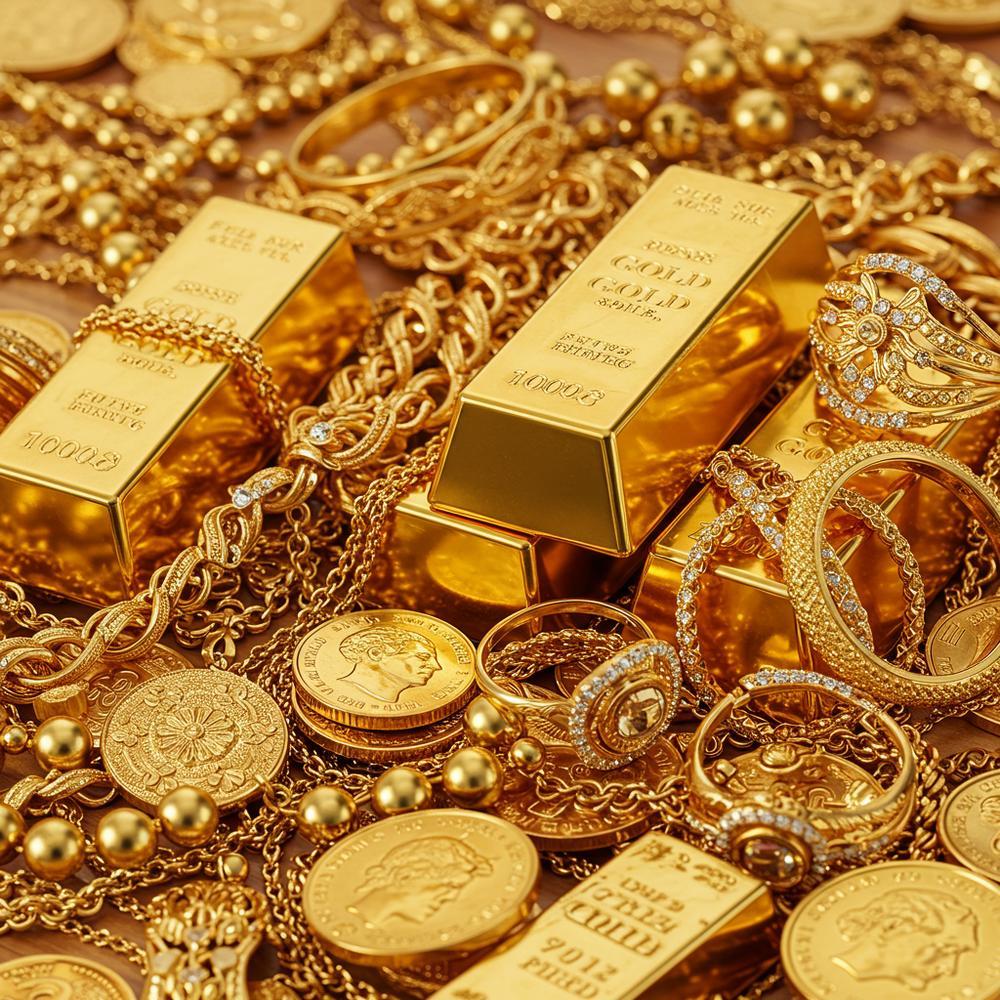
Gold jewellery may still symbolize wealth and tradition in India, but for many households it is quickly moving out of budget. Record-high prices and a sharp increase in import duty are forcing consumers to cut back on discretionary purchases, limiting buying to weddings and other essential occasions. The result: while jewellers are ringing up higher sales value thanks to price inflation, the actual quantity of gold being sold is sliding.
According to a report released Friday by ratings agency Crisil, sales volumes for gold jewellery retailers fell 8% in FY26 and are projected to drop another 13-15% in the current financial year to 620-640 tonnes. If that plays out, it would mark the lowest volume in a decade, excluding the Covid-hit year of 2021. The analysis covers 70 gold jewellery retailers that represent about one-third of the organised sector’s revenues.
The primary driver is price. A higher import duty feeds directly into retail rates because India meets most of its domestic gold demand through imports. Earlier this month, the government raised the import duty on gold from 6% to 15% in a bid to discourage non-essential purchases and stem foreign exchange outflows. With gold currently trading around Rs 1,60,000 per 10 grams, the per-unit realisation for jewellers — the average revenue earned per gram — is expected to be 35-40% higher year-on-year in FY27.
“Despite the expected decline in volume the sector is poised to achieve a robust revenue growth of 20-25% on-year, driven by higher realisations,” Crisil analysts noted. In short, consumers are paying far more for less gold.
Industry players expect the duty hike to weigh on near-term demand, especially among entry-level buyers who are most price-sensitive. Footfalls for lightweight, daily-wear pieces have softened, and many middle-class families are postponing non-urgent purchases.
Even so, large organised players are still posting strong top-line growth. Titan’s jewellery division, which includes Tanishq, CaratLane, and Zoya, reported a 48% year-on-year jump in Q4 revenue to Rs 16,047 crore — one of its strongest quarters since Covid. The company said exchange-driven purchases, where customers trade in old gold to fund new jewellery, were “instrumental” in lifting ticket sizes. These exchange transactions grew at a double-digit rate in the March quarter, helping offset weaker demand for fresh purchases.
The broader trend is clear: value is rising while volumes fall. High prices are reshaping buying behavior, pushing consumers toward exchanges and essential-only purchases, even as jewellers benefit from stronger realisations per gram.
Gold Loses Glitter for Average Buyers as Soaring Prices, Duty Hike Crush Volumes; Jewellers See Revenue Jump Despite Fewer Sales