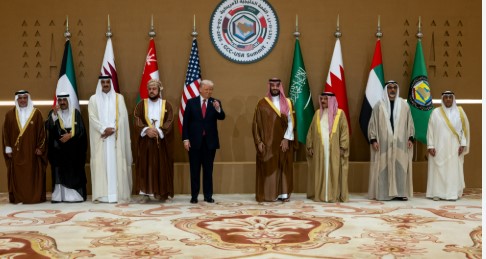
In a historic shift from decades of cautious diplomacy, the member states of the Gulf Cooperation Council (GCC) are reportedly considering a coordinated military framework to counter the escalating wave of Iranian drone and missile strikes. Following the Day 26 escalation of the regional conflict—which saw strategic targets like Kuwait International Airport and Saudi energy hubs hit by sophisticated aerial barrages—defense ministers from Saudi Arabia, the UAE, Kuwait, and Bahrain held an emergency summit in Riyadh on March 25, 2026. According to senior diplomatic sources, the discussions centered on the activation of a “Joint Defense Doctrine” that would allow for collective retaliatory strikes and the integration of a regional “Integrated Air and Missile Defense” (IAMD) shield. This move signals that the Gulf monarchies are no longer willing to rely solely on Western naval protection, which has struggled to secure the Strait of Hormuz, and are instead preparing to leverage their own advanced fighter jet fleets and interceptor batteries to establish a regional “red line” against further provocations from the Islamic Revolutionary Guard Corps (IRGC).
The catalyst for this military pivot is the perceived failure of international mediation to halt the “tit-for-tat” strikes that have crippled regional commerce and sent global oil prices soaring toward the $100 mark. While Pakistan continues to push a 15-point U.S. ceasefire proposal, the persistent harassment of Karachi-bound vessels and the strike on Kuwaiti infrastructure have convinced Gulf leaders that Tehran views their restraint as a strategic opening. Military analysts suggest that the proposed Gulf response could involve “surgical strikes” on IRGC drone launch sites and coastal missile batteries if the maritime blockade of Hormuz is not lifted within a specific timeframe. Furthermore, the UAE and Saudi Arabia are reportedly discussing the deployment of joint naval patrols to escort essential cargo through the Persian Gulf, a move that would directly challenge Iran’s discretionary control over the waterway. This shift toward a “self-reliant security architecture” marks the most significant realignment of Middle Eastern military power in the 21st century, as the Gulf states transition from being silent observers to active participants in the containment of Iranian influence.
Despite the move toward military readiness, the Gulf states remain acutely aware of the risks of a full-scale regional war. A spokesperson for the GCC emphasized that while “all options are on the table” to protect national sovereignty and global energy security, the preferred outcome remains a diplomatic de-escalation that respects international maritime law. However, with the Pentagon already deploying an additional 1,000 troops from the 82nd Airborne Division to bolster regional bases, the coordination between the U.S. and its Gulf allies is tighter than ever. The international community is now watching closely to see if this show of unified military resolve will force Tehran to soften its toughened negotiating stance or if it will trigger a wider conflagration. As the deadline for the proposed Islamabad peace summit nears, the Gulf’s military posturing serves as a stark reminder that the window for a purely diplomatic solution is rapidly closing in the face of persistent kinetic threats.