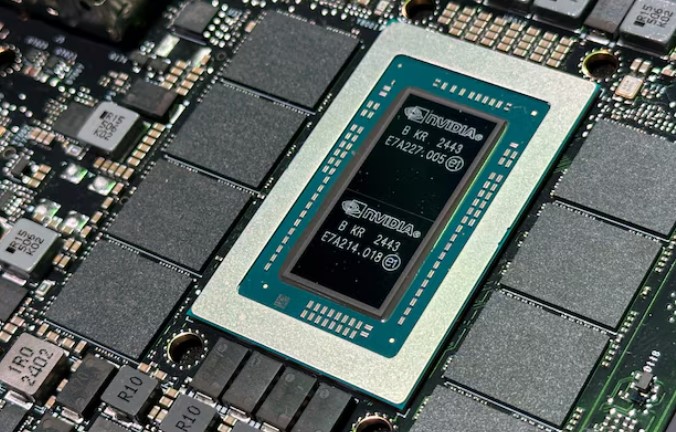
The United States has taken a new step to strengthen restrictions on advanced artificial intelligence (AI) technology by moving to prevent Chinese companies from obtaining high-end Nvidia AI chips through overseas subsidiaries and affiliates. The measure is part of Washington’s broader effort to limit China’s access to cutting-edge semiconductor technology that could be used in advanced computing, military applications, and AI development.
Under the proposed restrictions, Chinese firms may face tighter controls when attempting to purchase or access Nvidia’s powerful AI processors outside mainland China. US officials have expressed concerns that existing export controls could be bypassed if Chinese companies acquire restricted chips through entities operating in other countries.
The move highlights the ongoing technology rivalry between the United States and China, with semiconductors remaining a key battleground. Nvidia’s advanced AI chips are widely regarded as essential for training and running large-scale AI models, making them highly sought after by technology companies around the world. Washington has already imposed several rounds of export restrictions on advanced chips and semiconductor manufacturing equipment destined for China.
Industry analysts say the latest measures could further complicate global supply chains and create challenges for multinational companies with Chinese operations. The restrictions may also affect Chinese technology firms seeking to expand AI capabilities through international business units.
Nvidia has been at the center of the US-China technology dispute, with previous export controls limiting sales of some of its most advanced processors to Chinese customers. The company has responded in the past by developing modified products that comply with US regulations while serving international markets.
As AI competition intensifies globally, the latest US action underscores growing concerns over national security, technological leadership, and the strategic importance of advanced semiconductors. The impact of the new restrictions will be closely watched by governments, investors, and technology companies worldwide.