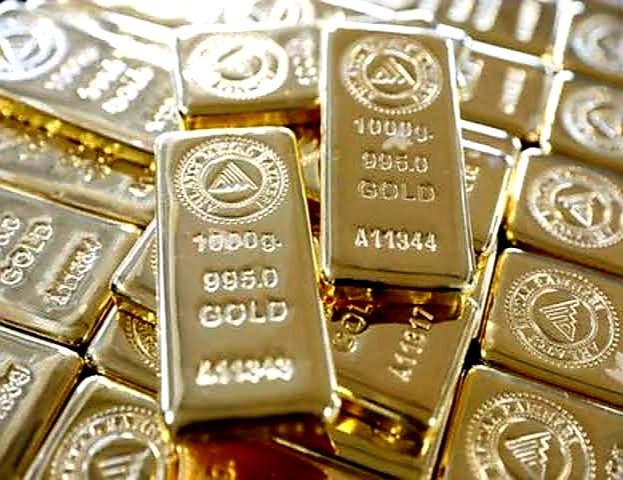
Gold prices remained largely stable on Tuesday as investors closely monitored developments surrounding the proposed U.S.-Iran peace agreement and awaited policy announcements from major central banks. Bullion prices held near recent highs after gaining sharply in the previous session, supported by uncertainty over the implementation of the Iran accord and expectations surrounding upcoming interest rate decisions. Market participants are particularly focused on the U.S. Federal Reserve, as well as policy meetings of other major central banks, for signals on the future direction of global monetary policy.
The preliminary peace agreement between the United States and Iran, which aims to restore stability in the Gulf region and reopen the Strait of Hormuz, has eased concerns over energy supply disruptions and contributed to a decline in oil prices. Lower crude prices have reduced inflation worries, influencing expectations that central banks may face less pressure to maintain an aggressive stance on interest rates. This environment has helped support gold, which is often viewed as a hedge against economic uncertainty and policy risks.
Investors are now awaiting guidance from policymakers on the outlook for inflation, growth, and borrowing costs. Any indication of a softer interest-rate path could provide further support for gold prices, as lower rates reduce the opportunity cost of holding non-yielding assets. At the same time, ongoing geopolitical uncertainties and strong demand from central banks continue to underpin the precious metal’s appeal. Recent surveys indicate that many central banks plan to increase their gold reserves over the coming year, reinforcing long-term demand for the asset.
While global markets have welcomed signs of easing tensions in the Middle East, analysts expect gold to remain sensitive to both geopolitical developments and central bank commentary. As a result, traders are preparing for heightened volatility in the precious metals market in the days ahead.