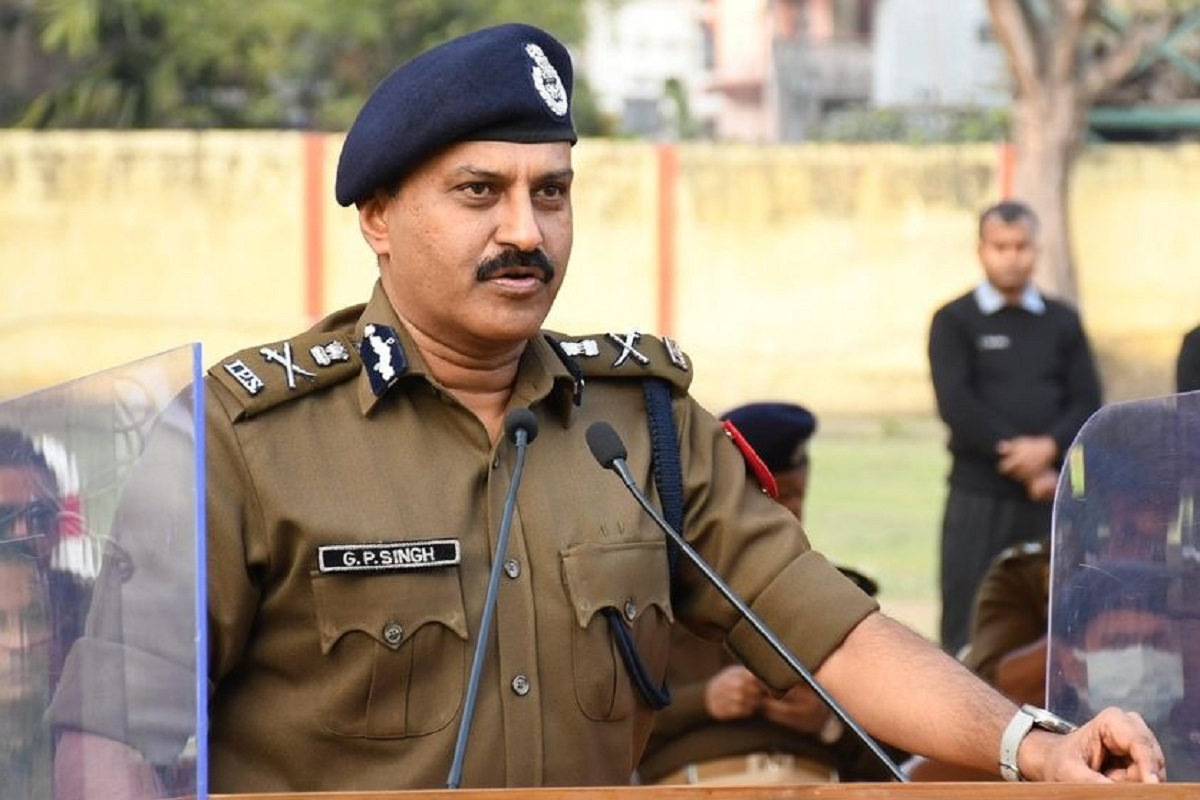
Intelligence-led operations, closer coordination with state police forces and a greater focus on maintaining a permanent security presence in areas affected by Left Wing Extremism (LWE) emerged as key operational priorities of the Central Reserve Police Force (CRPF) during the tenure of Director General G.P. Singh.An institutional assessment of the CRPF’s counter-LWE operations said Singh’s tenure coincided with the continued strengthening of intelligence-based planning and organisational preparedness for sustained deployments in Maoist-affected areas.Rather than assessing the leadership period through individual encounters or specific operations, the assessment focuses on the broader organisational changes and operational priorities that helped the force maintain pressure on Maoist networks over extended periods. One of the main areas of focus was intelligence-led planning, aimed at improving the precision and effectiveness of security operations. The approach was supported by closer coordination between the CRPF, state police forces, specialised units and intelligence agencies.
The greater emphasis on coordination was intended to improve the sharing of information and ensure that operations could be planned and executed jointly, particularly in difficult forest and remote areas where Maoist groups have traditionally operated.Maintaining a permanent security presence in areas cleared during operations was another important element of the strategy. Security agencies increasingly sought to ensure that Maoist cadres could not return to previously cleared locations and rebuild their networks and infrastructure. Forward Operating Bases and security camps played an important role in this approach. These facilities helped extend the operational reach of security forces and provided support for longer patrols, logistics, communication and casualty evacuation in remote and difficult terrain. The CRPF also placed emphasis on technology and mobility as part of its wider operational preparedness. These capabilities complemented human intelligence and ground-level information gathering, which remained important for operations in densely forested areas and challenging terrain. Operation Black Forest emerged as one of the major demonstrations of these capabilities. While the operation has been examined primarily as a significant counter-LWE mission, the assessment also highlights how intelligence-led planning, coordination among multiple agencies and sustained deployment were brought together during the operation. The assessment, however, does not attribute the progress made in the counter-LWE campaign to any single individual. Instead, it describes operational gains as the result of institutional capability and the collective efforts of CRPF personnel, state police forces, intelligence agencies, civil administration and the Ministry of Home Affairs.
This broader approach places Singh’s tenure within the continuing institutional development of the CRPF’s counter-LWE capabilities. The emphasis was on strengthening systems and operational capacity rather than relying solely on individual missions or short-term deployments. The increased use of intelligence-led planning also helped security forces move towards more targeted operations, while improved coordination with state agencies allowed Central and state forces to combine their respective capabilities on the ground. At the same time, the expansion of Forward Operating Bases and security camps supported the effort to convert temporary operational gains into a more sustained security presence. Such arrangements enabled forces to operate for longer periods in remote areas and respond more effectively to emerging intelligence inputs. Taken together, these measures contributed to a broader operational framework in which intelligence, mobility, specialised capabilities, inter-agency coordination and sustained deployment worked alongside one another. Singh’s tenure is therefore described in the assessment as an important phase in the continuing institutional strengthening of the CRPF’s role in India’s counter-LWE campaign. By placing greater emphasis on intelligence-led operations, joint planning, permanent security presence and organisational preparedness, the force further consolidated its role as the lead Central Armed Police Force engaged in operations against Left Wing Extremism.