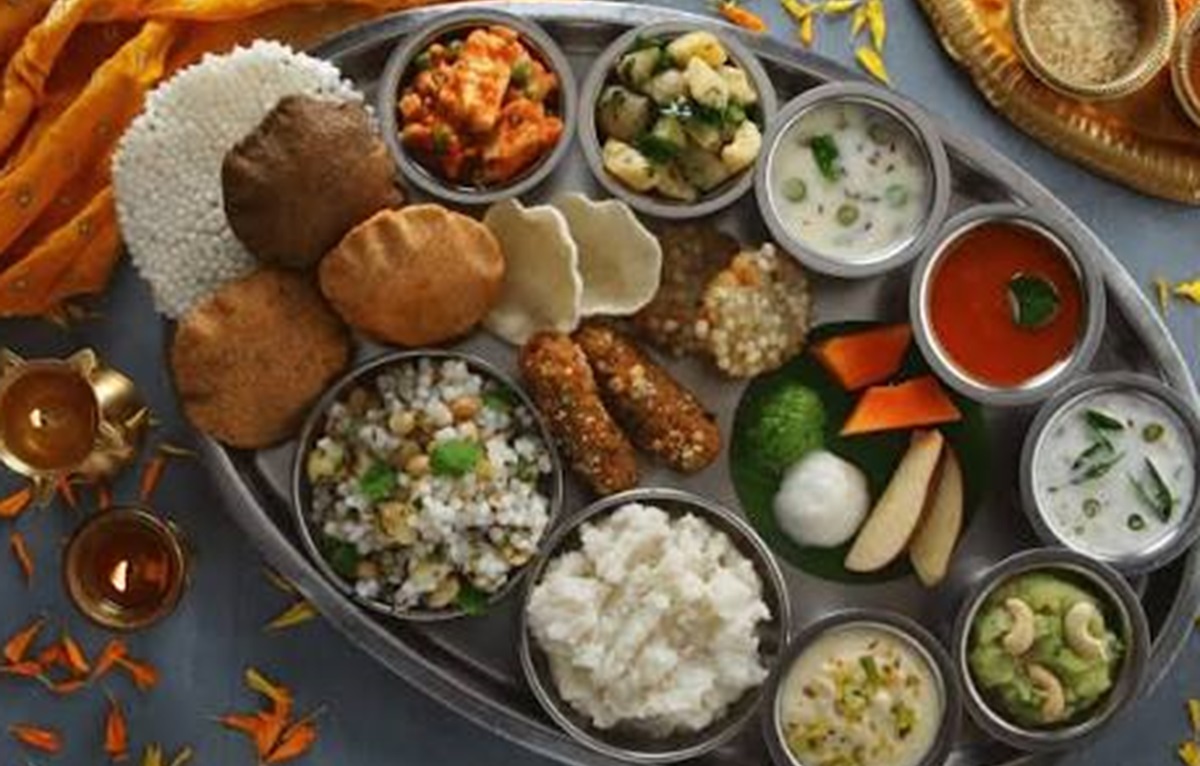
The festive season spanning from Navratri to Diwali witnesses a massive surge in the demand for fasting staples and festive foods like kuttu atta, sabudana, singhara atta, and milk-based sweets, which often creates opportunities for food to become contaminated, improperly stored, or stale, raising significant health concerns given that WHO figures place South-East Asia at the highest regional numbers for foodborne illness cases and deaths, and recurring outbreaks linked to contaminated kuttu flour across various districts emphasize the absolute necessity of strict food safety practices, such as purchasing licensed and packaged flour, checking FSSAI details, selecting flour with a pleasant nutty aroma and proper color, stocking only one to two weeks of supply in airtight dry containers, discarding any sour-smelling flour, and finishing fresh rotis and puris on the same day they are cooked. Furthermore, ensuring the safety of the Diwali table requires careful attention to dairy and sweets, as FSSAI milk safety surveys have identified instances of adulterants and added sugars, making it imperative to patronize licensed sweet shops with rapid stock turnover, consume milk sweets within a day or refrigerate them properly, check seals and expiry dates on gift boxes, maintain strict kitchen hygiene by separating raw and cooked foods, and reheat leftovers thoroughly, while individuals dealing with metabolic conditions like diabetes, prediabetes, and hypertension—who make up a significant portion of India’s population according to recent ICMR-INDIAB findings—must carefully manage their transition from fasting to feasting by breaking fasts lightly with water, fruits, or curd, opting for roasted snacks instead of deep-fried alternatives, keeping sweet portions small and consuming them after meals, moderating sendha namak to manage blood pressure, engaging in light post-meal walks, staying hydrated, consulting physicians before fasting if on medication, and seeking prompt medical care for vulnerable demographics presenting symptoms like persistent vomiting, fever, or dizziness, alongside active policy interventions such as pre-festival godown inspections, deploying mobile testing units in markets, strengthening batch traceability for rapid product recalls, and facilitating consumer grievance reporting through FSSAI’s Food Safety Connect to preserve the health and joy of festive traditions.
Festive Season Health Care: Essential Tips for Staying Fit From Navratri to Diwali