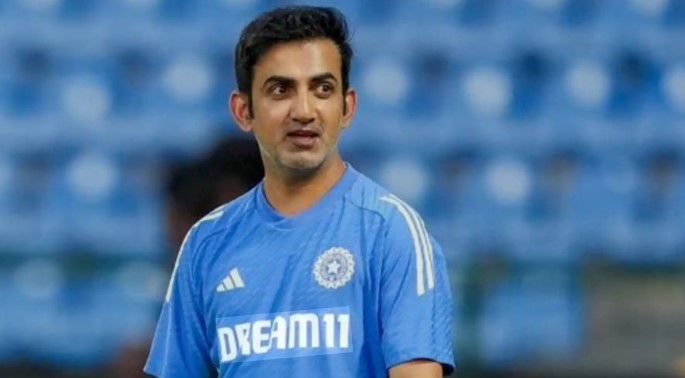
The Delhi High Court has instructed former cricketer and BJP MP Gautam Gambhir to file a corrected “memo of parties” in his legal suit seeking the protection of his personality rights against unauthorized commercial exploitation. Gambhir approached the court to restrain various entities from using his name, likeness, voice, or any other attributes associated with his persona for commercial purposes without his explicit consent. Personality rights, often referred to as “publicity rights” in Indian jurisprudence, allow celebrities to control the commercial use of their identity, ensuring that third parties do not unfairly profit from their hard-earned reputation. During the preliminary hearing, the court noted technical discrepancies in the naming of the defendants and the structure of the petition, leading to the directive to submit an accurate list of parties involved. This procedural requirement is essential to ensure that any subsequent injunction or legal order is enforceable against the specific entities alleged to have infringed upon Gambhir’s rights.
The suit highlights a growing trend among Indian celebrities, particularly athletes and actors, who are increasingly vigilant about their digital and commercial footprints. Gambhir’s legal team argued that several “rogue” websites and businesses have been using his images and name to endorse products and services, creating a false impression of an official association. Such unauthorized usage, they contended, not only leads to financial loss for the celebrity but also potentially misleads the general public. By seeking a “John Doe” or “Ashok Kumar” order—an injunction against unidentified infringers—Gambhir aims to create a broad shield for his brand identity. The Delhi High Court’s intervention underscores the judiciary’s role in balancing the right to information and fair use with a public figure’s right to safeguard their unique personal brand from predatory commercial practices.
As the case progresses, it is expected to further clarify the boundaries of personality rights in India, especially in the age of AI and deepfakes where a celebrity’s likeness can be replicated with alarming ease. The court has granted Gambhir’s counsel time to rectify the clerical errors and present a streamlined memo of parties before the next date of hearing. Legal experts suggest that this case could serve as a significant precedent for other sportspersons looking to consolidate their intellectual property rights. For Gambhir, who has successfully transitioned from a World Cup-winning cricketer to a prominent politician and commentator, the stakes are high, as his personality remains a valuable asset in multiple professional spheres. The final outcome of this suit will likely dictate how strictly unauthorized digital “brand associations” are penalized in the future.