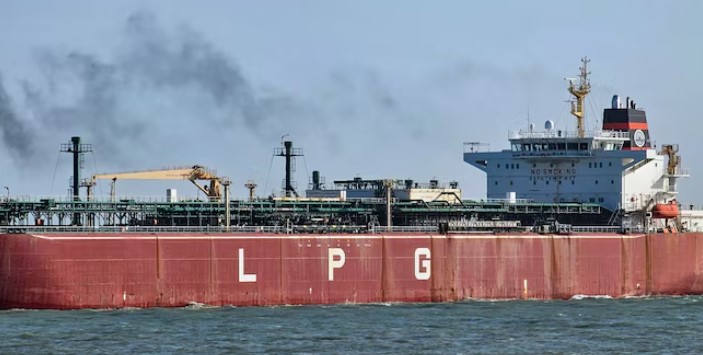
In a critical move for India’s energy security, two more Indian-flagged liquefied petroleum gas (LPG) tankers—Jag Vasant and Pine Gas—are preparing to navigate the war-hit Strait of Hormuz. Currently positioned near Sharjah in the UAE, the vessels have signaled their readiness to sail through the world’s most sensitive maritime chokepoint, despite a near-total halt in crude oil traffic over the last 24 hours. The potential transit comes as a result of high-stakes diplomatic negotiations led by New Delhi to secure “safe and unhindered movement” for its energy fleet. This follow-up mission succeeds the earlier passage of the VLGCs Shivalik and Nanda Devi, which successfully delivered nearly 93,000 tons of cooking gas to Gujarat ports last week.
The urgency of these shipments cannot be overstated, as India relies on the Gulf for roughly 60% of its LPG needs, with nearly 90% of those imports traditionally passing through the Strait. Ongoing hostilities in West Asia have already forced the government to implement emergency measures, including prioritizing domestic production for household use and tightening controls on commercial distribution. While the Ministry of External Affairs remains cautious, the movement of Jag Vasant (chartered by BPCL) and Pine Gas (operated by IOC) is being viewed as a litmus test for whether a “safe corridor” can be maintained for essential energy supplies. As over 20 other Indian vessels remain on standby in the region, the successful crossing of these tankers is vital to preventing a wider fuel crisis and stabilizing domestic prices amidst the intensifying regional conflict.