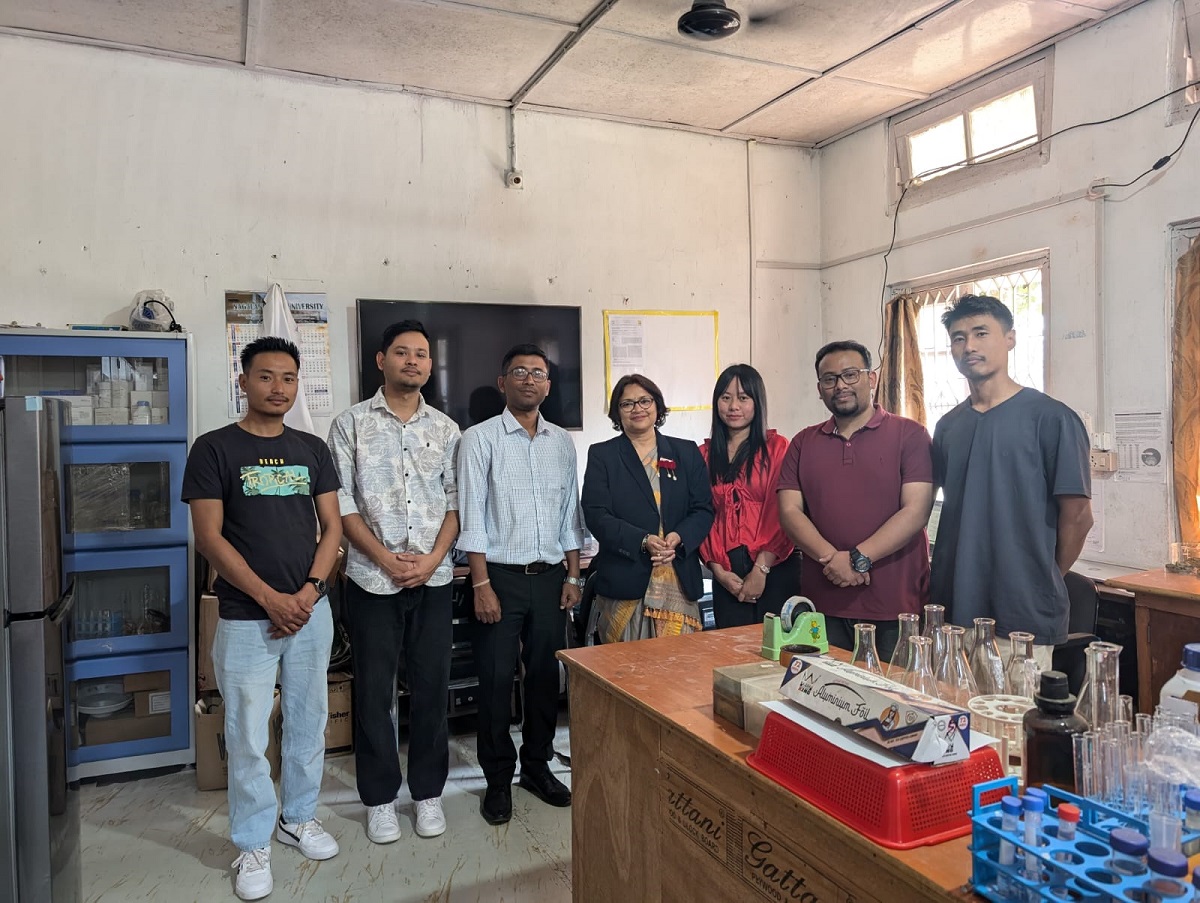
A research team led by Nagaland University has developed a biodegradable biopolymer, Polyhydroxybutyrate (PHB), from the bacterial strain Bacillus subtilis FW1, isolated from fish waste in Nagaland. This innovation addresses the challenge of microplastic pollution, which poses significant risks to ecosystems and human health due to biomagnification in food chains. PHB is appealing as an eco-friendly substitute for conventional petroleum-based plastics, demonstrating 69.2% biopolyester production potential and high thermostability. Laboratory tests indicate its biocompatibility with HepG2 human liver cancer cells, suggesting safety for biomedical uses. Dr. Pranjal Bharali emphasized that microbial biotechnology advances like this could significantly contribute to reducing plastic pollution, promoting a circular bioeconomy, and opening avenues in medicine, agriculture, and sustainable packaging. Future efforts will aim to enhance bacterial efficiency and utilize low-cost waste sources for competitive PHB production.
Breakthrough by Nagaland University team offers eco-friendly solution to microplastics