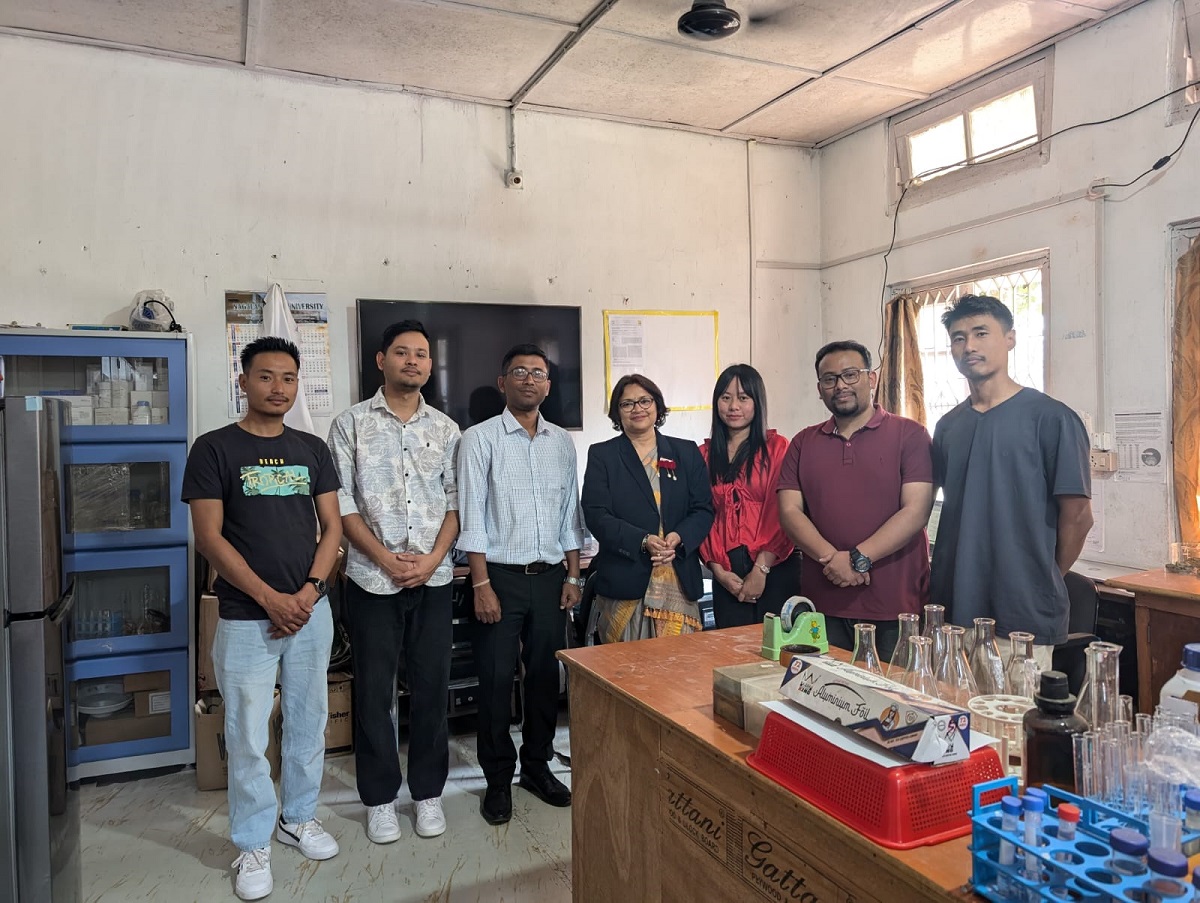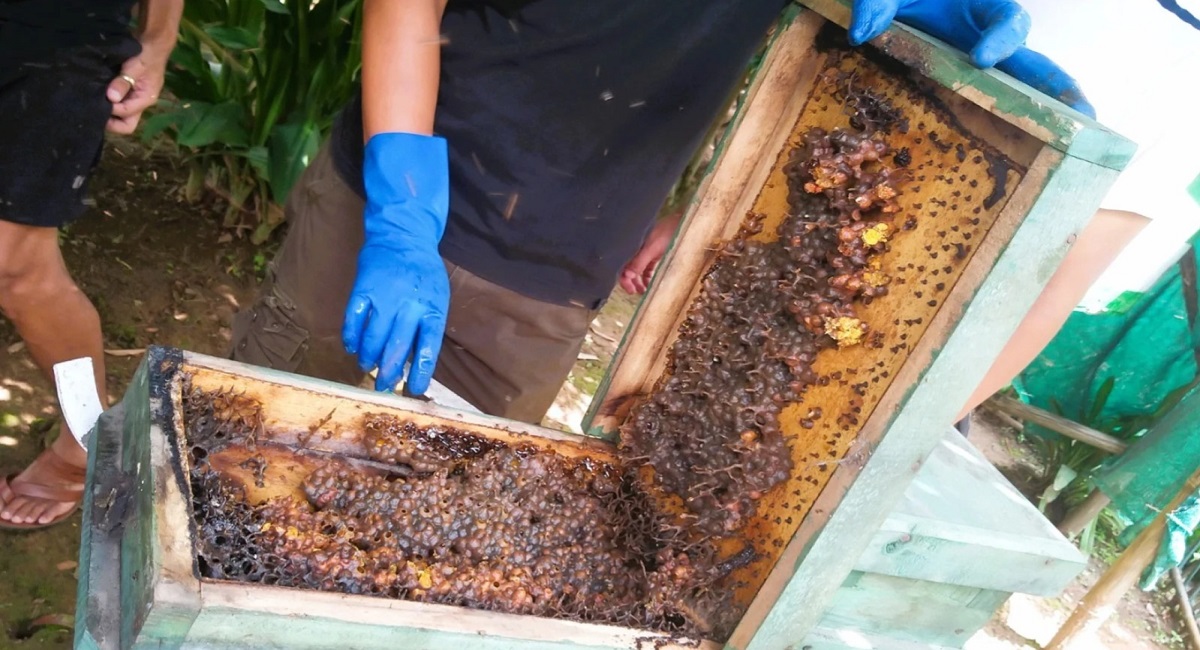
Nagaland University researchers have identified stingless bee species that can be used to increase agricultural yield through pollination, researchers and officials said on Monday. Varsity officials said that with the introduction of stingless bees as pollinators in different crops under greenhouse conditions, the yield and quality of produce increased several times in different crops. According to the researchers, Stingless bees could be used for pollination without fear of being stung, and they are known for their popular medicinal honey and pollination potential, which paves the way for the formulation of crop pollination calendars to benefit all stakeholders.
The honey produced by the bees during the experiments also provided extra income besides good crop production, they said. Nagaland University researchers found that the chilli crop, when pollinated by these bees, increases the crop production and quality as compared to crops where pollination is not accomplished. For supplementing the pollination deficit in chilli, stingless bees and honeybee species like A dorsata, A florea, and other wild bees like halictid bees, syrphid bees and Amegilla bees need to be conserved. In king chilli, the fruit set increased to 29.46 per cent compared to 21.00 per cent in non-pollinated crops.
Likewise, in Chilli (Capsicum annuum), the fruit set and healthy fruits were increased by 7.42 per cent and 7.92 per cent over non-pollinated crops. Similarly, seed weight, which is an indicator of viability or germination, increased by 60.74 per cent when pollinated by stingless bees. This is the maiden attempt to work out the pollination potential of stingless bees and the quality production of honey, which led to increased income and sustainable livelihood. Earlier, it was difficult to use honeybees for the pollination of crops (inadequate pollination) due to their natural attributes.